
How to Tell When Your Lawn Needs Aeration
If your lawn shows signs like compacted soil, thinning grass, or water pooling, local contractors can assess and perform aeration to improve its health.
Understanding when your lawn might need aeration is an important step in maintaining a healthy, vibrant yard. Property owners in the area often notice signs like soil compaction, uneven growth, or areas that seem to struggle despite regular watering and fertilizing. Recognizing these indicators early can help prevent more serious issues down the line. Local contractors who specialize in lawn aeration can assess these symptoms and recommend the best approach to restore optimal soil conditions, ensuring your lawn remains lush and resilient.
If you're unsure about how to tell when your lawn needs aeration, keep reading to discover practical tips and common signs to watch for. Whether your grass appears patchy, the soil feels hard beneath your feet, or water tends to runoff rather than soak in, these are clues that aeration might be beneficial. Connecting with experienced service providers in the area can provide the expertise needed to evaluate your yard’s condition and perform the necessary aeration work. This proactive step can lead to a healthier, more vigorous lawn that thrives throughout the seasons.
- Common Projects - Lawn aeration services are often needed when the soil becomes compacted, making it difficult for roots to grow and for water to penetrate, and local contractors can assess soil conditions to recommend appropriate aeration methods.
- Common Projects - Signs of a lawn that needs aeration include thinning grass, pooling water, or a spongy feel underfoot, and service providers can evaluate these symptoms to determine the best course of action.
- Common Projects - When lawns develop thatch buildup or show slow recovery after overseeding, local pros can perform aeration to improve soil health and promote healthy turf growth.
- Common Projects - If the lawn experiences uneven growth or patches of poor grass health, local contractors can identify underlying soil issues and provide aeration to help restore evenness.
- Common Projects - Regular aeration is advised for lawns with heavy foot traffic or clay soils, and local service providers can recommend a tailored approach based on soil type and lawn usage.
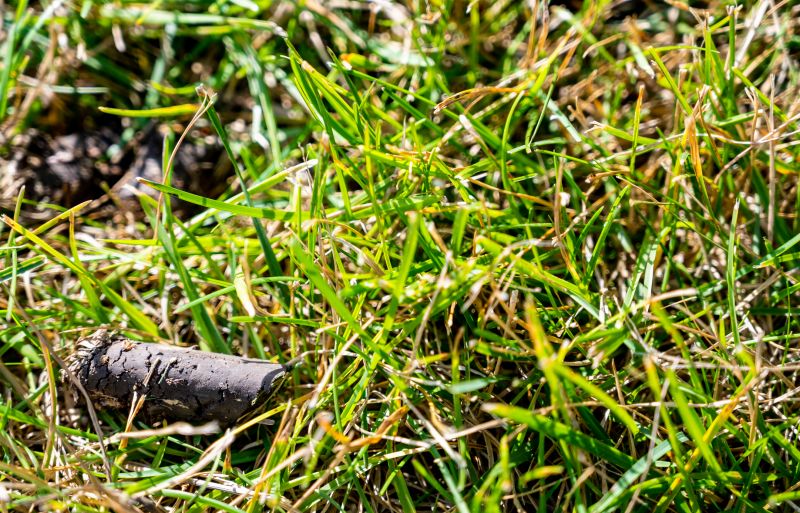
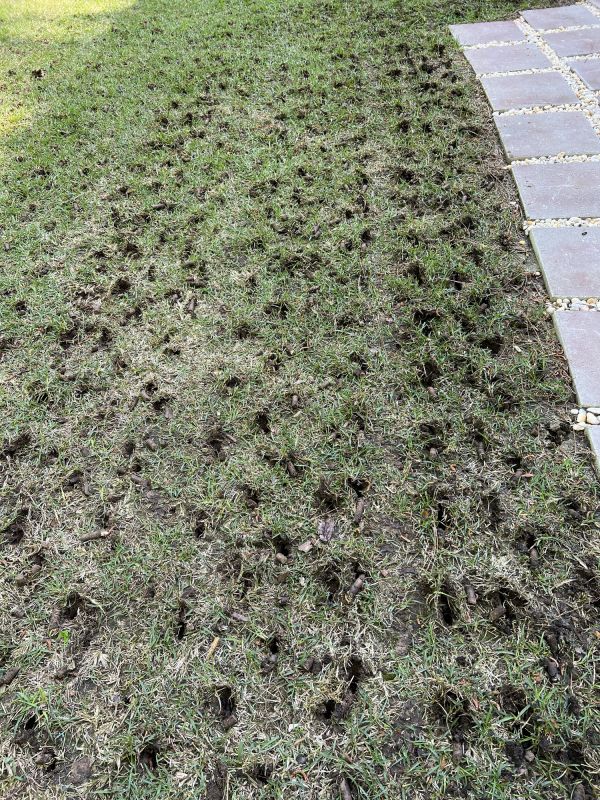
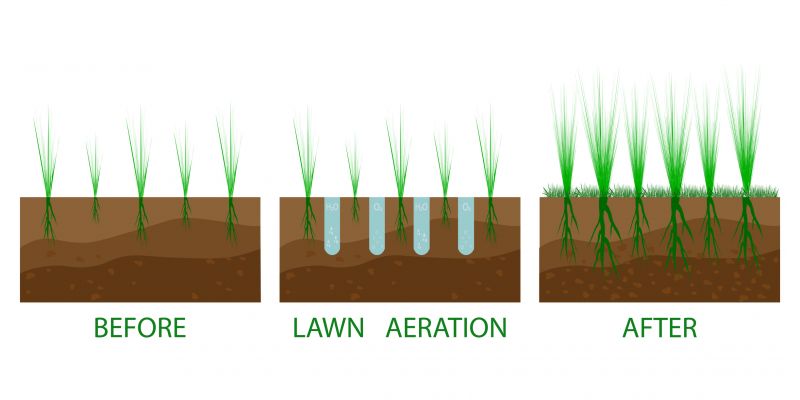
Understanding when a lawn needs aeration is a common concern for homeowners aiming to maintain a healthy, lush yard. Typically, people searching for this topic want to identify signs that their soil has become compacted or that grass growth is slowing down. Aeration helps alleviate soil compaction, allowing air, water, and nutrients to reach the roots more effectively. Recognizing the need for aeration often involves observing how the lawn responds to watering and fertilizing, as well as noting any persistent bare patches or areas where grass appears thin or stressed. These indicators can signal that the soil beneath the surface has become dense enough to hinder healthy grass development.
The problems linked to neglected lawn aeration usually revolve around poor drainage, shallow root systems, and increased susceptibility to disease. When the soil is compacted, it prevents roots from expanding deeply, which can stunt grass growth and lead to a patchy appearance. Over time, this can make a lawn more vulnerable to weeds and pests. Many property owners plan aeration as part of their regular lawn care routine, especially if they notice their grass isn’t bouncing back after heavy rain or drought conditions. Understanding these issues helps homeowners decide whether engaging with local service providers for aeration is a beneficial step toward restoring lawn vitality.
Properties that commonly come up in discussions about needing aeration are often larger residential lawns, sports fields, and commercial landscapes with heavy foot traffic. These types of properties tend to experience soil compaction more quickly due to frequent use. Additionally, lawns with clay soils or those that have been heavily fertilized or overwatered may show signs of needing aeration sooner. Homeowners with lawns that have a dense thatch layer-composed of dead grass and roots-may also benefit from aeration to improve overall soil health. Recognizing the type of property and soil conditions can help determine when professional aeration services are appropriate to support ongoing lawn maintenance plans.
Connecting with local contractors who specialize in lawn aeration can make a significant difference in addressing these issues effectively. These service providers understand how to evaluate a lawn’s specific needs and can perform aeration tailored to the property’s soil type and condition. By working with experienced local pros, homeowners gain access to expert advice on timing and techniques that promote healthier grass growth. Ultimately, knowing the signs that a lawn needs aeration helps property owners proactively maintain their landscape, preventing more serious problems down the line and ensuring the yard remains attractive and resilient.
Soil testing services - professionals can analyze soil health and compaction levels, helping homeowners determine if aeration is needed to improve lawn conditions.
Core aeration services - local contractors specialize in physically removing plugs of soil to relieve compaction, a key step in maintaining a healthy lawn.
Lawn care evaluations - experts assess overall turf health and identify signs of soil compaction or thatch buildup, which indicate the need for aeration.
Thatch removal services - removing excess thatch can enhance aeration effectiveness and promote better water and nutrient penetration.
Overseeding services - combining overseeding with aeration can improve grass growth, especially if the lawn shows signs of thinning or compacted soil.
Drainage improvement projects - contractors address poor drainage issues that often signal soil compaction, which aeration can help alleviate.
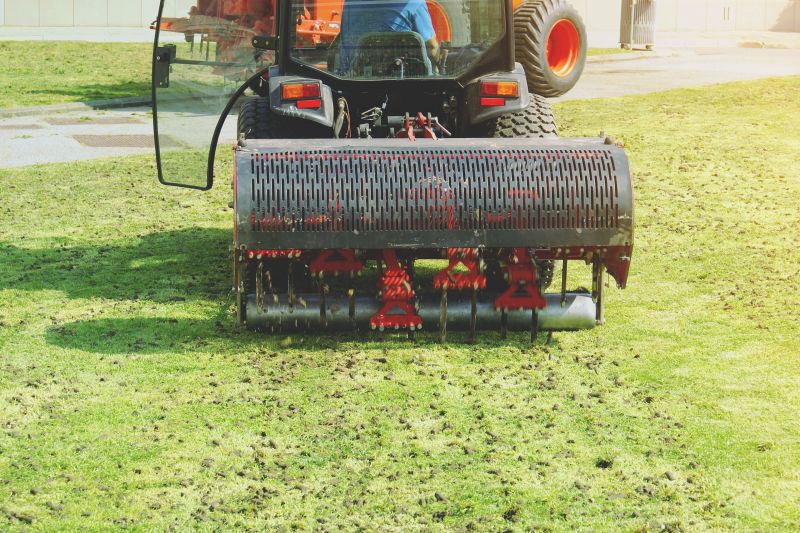
When comparing local contractors for lawn aeration services, it is important to consider their experience with similar projects. Homeowners should seek out service providers who have a proven track record of performing aeration on lawns with comparable soil types, grass varieties, and yard sizes. An experienced contractor will understand the signs indicating when a lawn needs aeration and can provide insights into the best timing and methods to achieve optimal results. Verifying a contractor’s familiarity with these specific tasks can help ensure the work is done effectively and efficiently, leading to healthier, more resilient lawns.
Clear written expectations are essential when evaluating potential service providers. Homeowners should look for contractors who can offer detailed descriptions of what the aeration process involves, including the equipment used and the scope of work. Having a clear understanding of what to expect helps prevent misunderstandings and ensures that the service aligns with the lawn’s needs. Reputable contractors are typically transparent about their procedures and can provide guidance on how to identify signs that indicate your lawn may benefit from aeration, such as soil compaction or poor drainage.
Good communication and reputable references are key factors in selecting a reliable lawn aeration service. Homeowners should seek out providers who are responsive and willing to answer questions about their experience and approach. Additionally, requesting references or reviews from past clients can offer valuable insights into the contractor’s professionalism and the quality of their work. Service providers who communicate clearly and have positive feedback from previous customers are more likely to deliver a satisfactory experience, helping homeowners feel confident in their choice and ensuring the lawn receives the appropriate care when it shows signs of needing aeration.
Property owners often search for how to tell when your lawn needs aeration when they are planning practical projects around their homes and businesses. Local pros provide Lawn Aeration services for everyday jobs and straightforward project options.
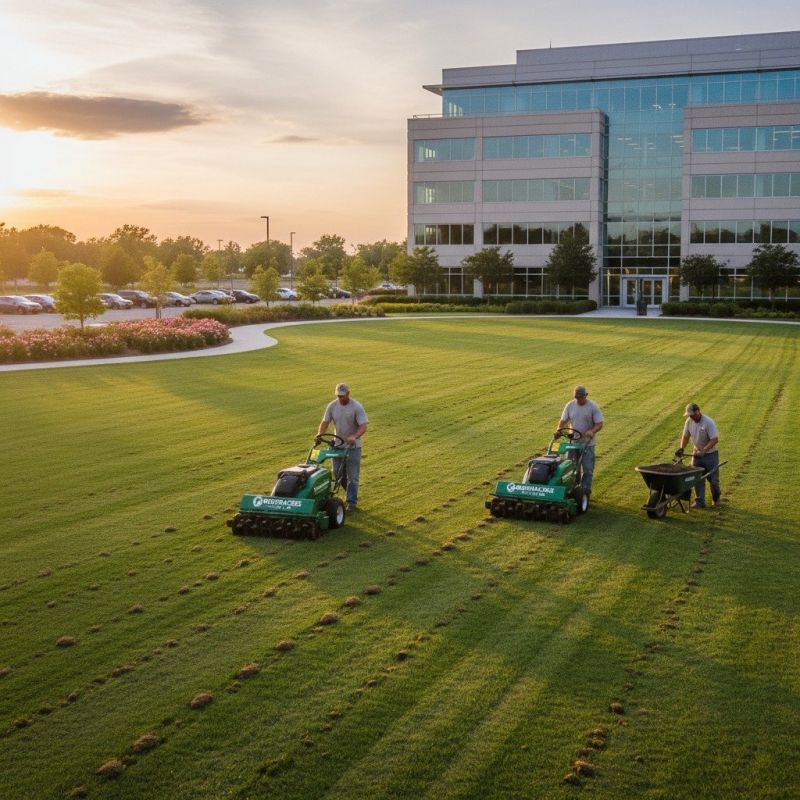
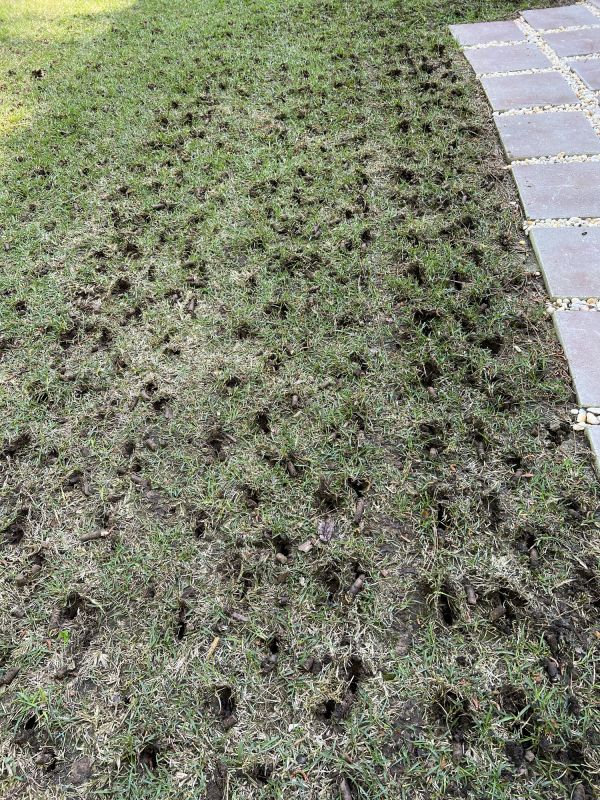
Property owners in the area might notice that their lawn feels spongy or uneven when walking across it, especially after periods of heavy foot traffic or recent weather changes. If the grass appears to be thinning or struggling to recover from regular use, it could be a sign that the soil has become compacted, making it difficult for water, air, and nutrients to reach the roots. In such cases, local contractors who offer lawn aeration services can help improve soil health and promote a thicker, more resilient lawn through targeted aeration treatments.
Additionally, signs like standing water or poor drainage after rain, as well as a buildup of thatch-an organic layer between the grass and soil-may indicate that the lawn needs aeration. When the grass shows slow growth or appears to be stressed despite proper care, it often points to soil compaction or limited root growth. In these situations, consulting with experienced service providers can help determine if aeration is the right step to restore lawn vitality and ensure healthier turf in the long run.
What are common signs that your lawn needs aeration? Signs include compacted soil, poor drainage, thinning grass, or uneven growth, which can indicate the need for aeration services from local contractors.
How can I tell if my lawn has soil compaction? Soil compaction often results in a hard, dense feel when walking on the lawn, and may cause roots to struggle, signaling the need for aeration by local service providers.
Are there visual indicators that suggest my lawn needs aeration? Visible indicators include areas of bare patches, moss growth, or areas where water pools after rain, prompting consultation with local pros for aeration.
What lawn conditions suggest that aeration could improve its health? Conditions like persistent drought stress, slow recovery after mowing, or patchy grass growth can indicate that aeration from local contractors may be beneficial.
How do I know if my lawn's soil is too dense for healthy roots? If roots are shallow or the grass appears weak and thin, it may be due to dense soil, and local pros can assess and perform aeration to improve root growth.
Soil Compaction Signs - noticing that your lawn feels hard or dense underfoot can indicate soil compaction, which local contractors can address with aeration services.
Thatch Buildup - a thick layer of thatch may prevent water and nutrients from reaching roots, making aeration a practical solution offered by local pros.
Poor Drainage - areas that stay soggy or have uneven water distribution can benefit from aeration to improve soil health, with local service providers able to help.
Uneven Lawn Growth - patches of thin or patchy grass may signal underlying soil issues, and local contractors can perform aeration to promote healthier, even growth.
If you are thinking about how to tell when your lawn needs aeration for a property, this guide is meant to help you understand this topic, the typical project types, and how different options might fit your plans.
When you are ready, you can use the quote form on this page to share a few details about your project. From there, local pros can review the basics and follow up with options that match what you have in mind.